All in Bluestone - Everything There Is To Know About Bluestone
Bluestone continues to stand out as one of the most sought-after natural stones in both residential and commercial design, and for good reason. Known for its timeless appearance, exceptional durability, and remarkable versatility, Bluestone has become a go-to material for stone patios, walkways, pool decks, and projects of all kinds.
At All in Stone, we’ve seen firsthand how Bluestone consistently delivers both beauty and performance. Its rich color variations, natural textures, and ability to compliment everything from rustic landscapes to modern architecture make it a favorite among homeowners, designers, and contractors alike. Beyond aesthetics, Bluestone is incredibly resilient—able to withstand harsh weather conditions while maintaining its integrity and beauty for years to come.
However, not all Bluestone is the same. From surface textures to cut styles and color ranges, understanding the differences between the various types is key to choosing the right material for your project. In this guide, we’ll break down the most popular Bluestone options to help you make an informed decision.
1. What is Bluestone?
Bluestone is a highly durable, natural flagstone. Prized for it’s rich blue/grey tones and breathtaking appeal. Formed from dense layers of sandstone or limestone settling into one. It’s known specifically for it’s strength and weather resistance, still pairing effortlessly with luxury.
Where Does It Come From?
Here at All in Stone, we source our bluestone from various premium quarries in the North Eastern region.
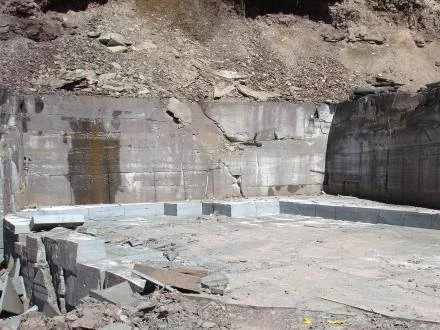
A typical, natural cleft bluestone mine. - NYSDEC
Typically hailing from the Catskill mountain belt in New York, as most bluestone does. But it can also be found in Pennsylvania, New Jersey and even Canada along the sediments of the Appalachian Mountains.
While “similar” flagstone can be found elsewhere, it’s typically just a limestone variation. True, authentic Bluestone is an entirely unique North Eastern U.S. stone. Another reason it’s so sought after and a popular choice for timeless elegance.
So to Reiterate, What Exactly Makes Bluestone the Best Choice
Exceptional Durability: Naturally dense and weather-resistant. Holds up against heavy use and harsh temperature swings without losing integrity.
Timeless & Upscale: Its signature blue-gray tones and natural variation create a refined, elegant appearance that complements both classic and modern designs.
Regionally sourced: Often quarried in the Northeastern U.S., making it more accessible, cost-effective to transport, and tied to local architecture and landscapes, adding your support.
Versatile and low-maintenance: Suitable for patios, walkways, steps, and pool surrounds, with a naturally textured surface that provides grip yet requires minimal upkeep.
2. Types of Bluestone By Cut & Shape
Irregular Stand-Up Bluestone
Irregular stand-up bluestone is exactly what its name suggests, stone in a more natural, less processed state. Each piece features uneven edges, varied thicknesses, and unique shapes that reflect how the stone is found in the earth.
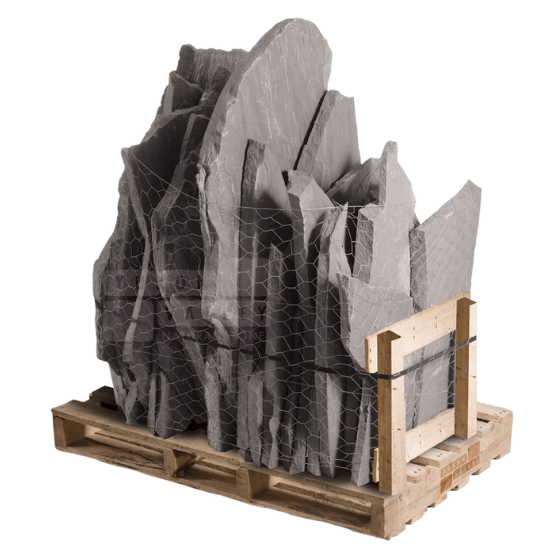
Rather than being cut into uniform sizes, these pieces are split and sorted, giving them a raw, textured face and a one-of-a-kind profile that fits together more like a puzzle than a grid.
What Designs Often Use This Rustic Charm?
That organic, freeform look is what gives irregular bluestone its distinctive charm. It creates a relaxed, rustic feel that blends seamlessly into natural surroundings, making it a favorite for projects that aim to feel timeless and unstructured.
Often you’ll see: Winding garden walkways, stepping-stone paths and natural style patios. You’ll also see vertical applications, like dry-stacked retaining walls or stone veneers — anywhere a more casual, earthy aesthetic is the goal.
Pros:
Unique: No two pieces alike, one-of-a-kind design.
Natural: Blends into landscapes, achieving a relaxed, timeless aesthetic.
Flexible: Works well for curved paths & natural layouts.
Strong: Retains the same durability bluestone is known for.
Cons:
Complex Install: Irregular cuts require more skill and time to fit during installation.
More Labor: The added effort can increase overall project cost.
Less Uniform: Not the most ideal for projects that require modern, streamlined looks.
Dimensional Bluestone
Dimensional bluestone is cut and finished into consistent shapes, typically squares or rectangles, with uniform thickness and clean, straight edges. This process allows for tighter joints, smoother surfaces, and a more predictable installation.
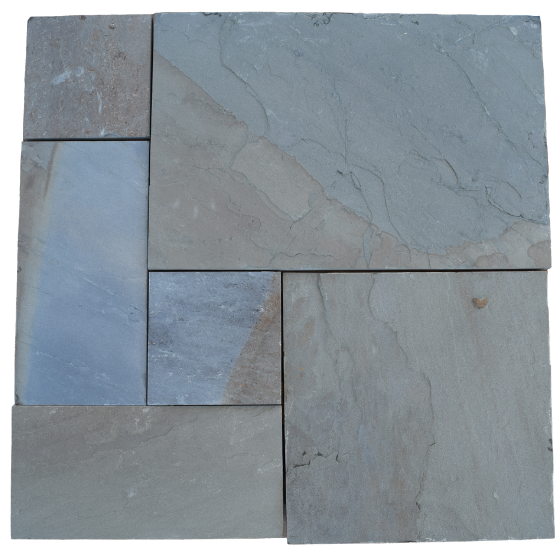
By standardizing the size and shape, dimensional bluestone is easier to lay in organized patterns, making it ideal for projects that require accuracy, efficiency, and a polished finish.
Where Will You Find This Refined Design?
The clean lines and uniformity of dimensional bluestone give it a more formal, sophisticated look that works well in both traditional and contemporary settings.
Its structured appearance creates a sense of order and balance, making it a popular choice for patios, pool decks, walkways, and outdoor entertainment areas. It’s also well-suited for geometric layouts like running bond, herringbone, or grid patterns, absolutely perfect for projects where a sleek, intentional design is the goal.
Pros:
Clean Layout: Uniform sizing allows for precise patterns.
Easier Install: Straight edges and even thickness make the process faster and more efficient.
Versatility: Works seamlessly in contemporary & traditional spaces.
Smoother: Provides an even footing, making it the ultimate patio & pool area choice.
Cons:
Less Variation: Lacks the organic, one-of-a-kind character.
More Formal (Than Not): May feel too structured for natural landscape designs, or even reduce visual uniqueness.
Design Limitation: Not as well-suited for curved, freeform layouts.
3. Types of Bluestone by Surface Texture
Thermal Bluestone
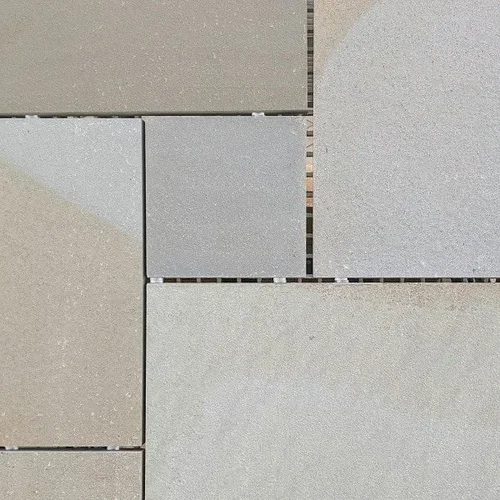
Thermal Pattern Cut Bluestone - Notice the grainy, textured yet smooth appearance.
Thermal bluestone is created by exposing the stone to intense direct heat, causing the surface to slightly crack and flake. This process gives the stone a subtly textured, non-slip finish while keeping it relatively smooth underfoot.
The result is a surface that looks natural and tactile but is engineered for safety and practicality, combining visual appeal with functional performance.
Why Is Thermal Bluestone Important?
Its durable, slip-resistant surface provides peace of mind in wet or frequently used spaces, while its clean, contemporary look fits both modern and traditional designs. Thermal bluestone is particularly valued for outdoor gathering areas, commercial projects, and anywhere safety meets style.
The heat-treated texture makes thermal bluestone an excellent choice for areas where traction is important, including pool decks, large patios, and high foot-traffic pathways.
Pros:
Slip-Resistant Surface: Ideal for wet areas, like pool decks
“Pseudo”-Natural: The subtly textured surface that mimics natural stone without visual irregularities.
Durability: Retains the resilience of bluestone while adding functional benefits.
Versatility: Works well in both contemporary and traditional designs.
Cons:
Complex Install: Requires careful handling and leveling due to the textured surface.
Function Focused: While not the worst of cons, it’s primary use is for safety and traction but can lack in visual distinction. (Not for all designs.)
Limited Options: Fewer choices in aesthetic variation compared to natural cleft or irregular bluestone.
Maintenance: While durable, its texture can trap dirt or debris more than smoother finishes.
Natural Cleft Bluestone
Natural cleft bluestone is produced by carefully splitting the stone along its inherent layers, revealing a textured surface that reflects how the rock formed over time.
Unlike thermal bluestone, which is treated, natural cleft showcases the stone’s true, untouched character, with subtle ridges, grooves, and organic variations that highlight its geological origins.
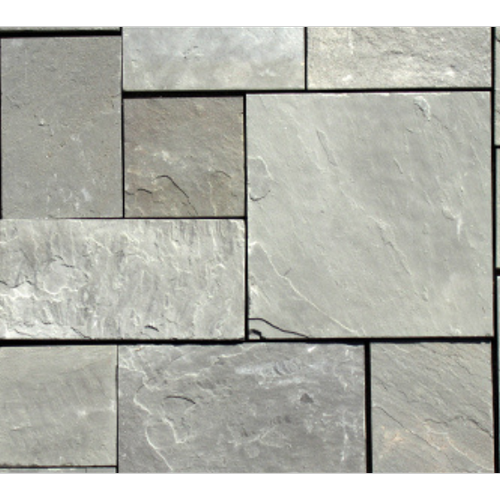
Natural Cleft Pattern Cut Bluestone - Rigid lines revealing the natural split of stone.
What Is The Appeal of Natural Cleft Bluestone?
The beauty of natural cleft bluestone lies in its uneven, hand-split texture and rich color variation. Blues, grays, and occasional warm undertones appear in a naturally blended palette, creating a timeless, organic look.
Its tactile surface catches light differently throughout the day, adding depth and interest to any outdoor space. It works particularly well in settings that embrace a rustic, traditional, or historic aesthetic. Natural cleft opens a world of design, starting from patios, garden paths, rugged steps and fireplaces.
You’ll see natural-cleft bluestone in retaining walls, low-profile accents, and even famous uses in important courtyards and historic terraces. Natural cleft bluestone is by far one of the most desirable and authentic bluestone looks possible.
Pros:
Exquisite Beauty: Each piece has a unique, natural texture and color than can’t be replicated.
Authentic: Hand-split layers create a tactile, rustic appeal perfect for natural or traditional settings.
Durability: Strong enough for outdoor patios, walkways, and landscaping features.
Versatility: Works beautifully for steps, terraces, garden paths, and fireplaces.
Cons:
Uneven Underfoot: The natural texture can feel irregular or less smooth for walking compared to thermal.
Rougher: Some surfaces may be sharper, making it less ideal for enclosed or highly trafficked interior spaces.
Slower Install: Irregular surfaces require extra care in leveling and fitting.
Less Uniform: May not suit projects needing sleek, modern, or highly structured layouts.
4. Types of Bluestone by Color Range
Full Color Bluestone
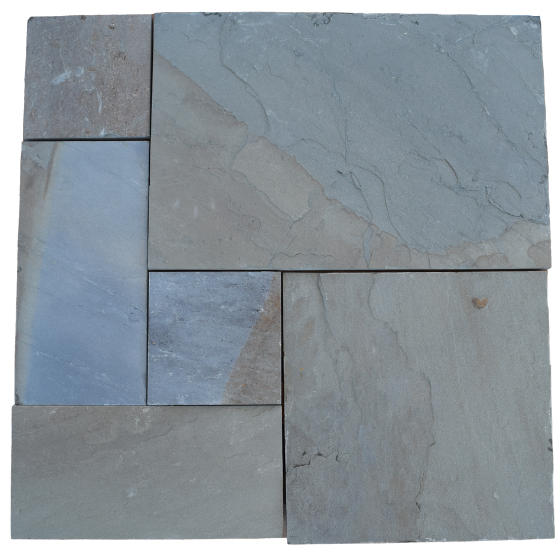
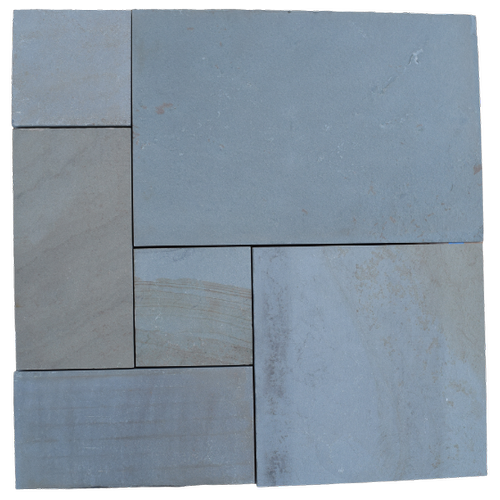
Full color bluestone is prized for its rich, variegated palette, blending deep blues and soft grays with warm browns, rusts, and occasional hints of green. This natural variation gives each piece a dynamic, multi-dimensional appearance that changes subtly with light and angle, adding depth and interest to any project.
Full Color Natural Cleft (L) & Full Color Thermal (R)
What Makes Full Color Special?
Rather than a uniform shade, full color bluestone embraces the natural diversity of the stone, making every layout feel unique and visually engaging. The versatility of full color bluestone makes it a favorite for designs that celebrate organic beauty and natural diversity
Its blended tones work well in patios, outdoor walkways, steps, and certain living areas, creating spaces that feel warm, inviting, and visually rich. Full color bluestone compliments both rustic and transitional landscapes, providing a timeless backdrop that enhances plants, outdoor furniture, and architectural details without overwhelming them.
Pros:
Dynamic & Rich: The mix of blues, grays and brown tones create a visually striking, deeply dimensional effect.
Authenticity: Each piece is unique, highlighting the organic beauty of bluestone.
Versatility: Completes both rustic and transitional designs with warmth and depth.
Timelessness: The natural variation ensures an enduring look, any wear or scratch becomes apart of the pattern.
Cons:
Less Uniform: The variegated tones may not suit projects requiring a consistent monochromatic look.
“Odd” Patterns: While some say it’s an artistic touch, some pieces may have unexpected color patches or markings.
Unpredictable: Similarly to as mentioned before, it’s harder to plan exact layout of colors and veining due to natural variation.
Limitations: May clash with highly modern or minimalist designs.
True Blue Bluestone
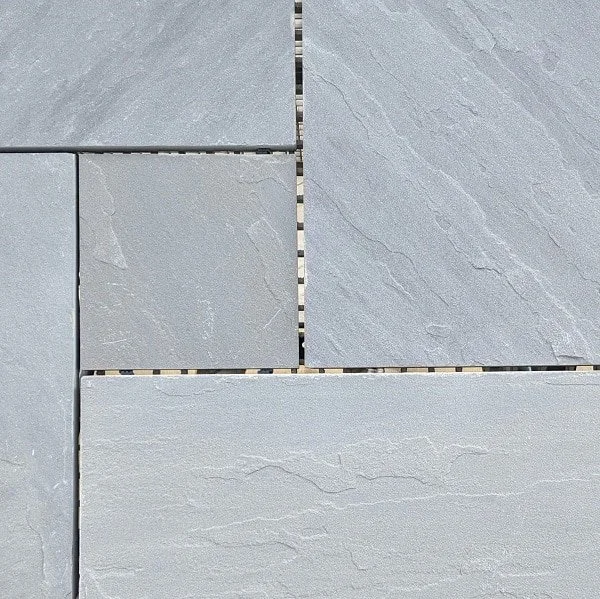
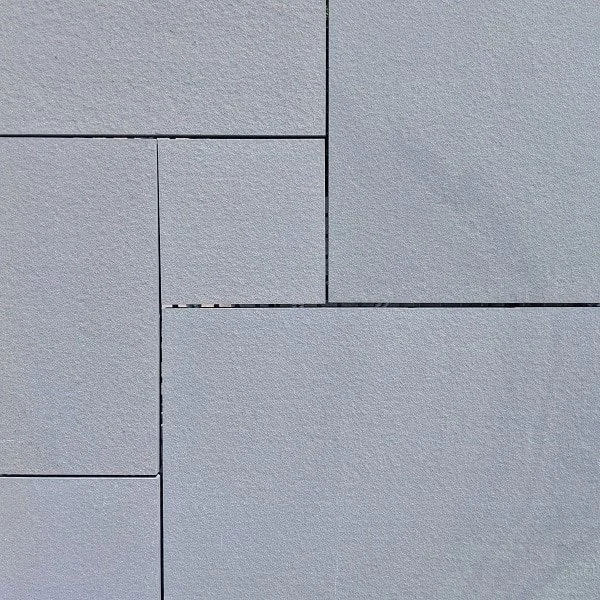
True Blue bluestone is defined by its consistent, cool-toned palette, featuring smooth blends of blue and gray with minimal color variation. Unlike full color stone, it offers a more uniform appearance, creating a clean and cohesive surface that feels refined and intentional.
True Blue Natural Cleft (L) & True Blue Thermal (R)
This consistency allows the natural elegance of the stone to shine through in a more subtle, understated way, emphasizing tone and texture over contrast. Its cooler hues and uniform finish create a sense of order and simplicity, making it ideal for spaces that prioritize clean lines and a more polished aesthetic.
With its sleek, monochromatic look, True Blue bluestone is especially well-suited for contemporary and modern design styles.
Whether used in patios, walkways, or pool decks, True Blue palette delivers a sophisticated, streamlined look that pairs effortlessly with minimalist architecture and modern landscaping.
Pros:
Sleek & Cohesive: Consistent blue-gray tones create a clean, unified look across an entire space.
Modern: Perfect for contemporary layouts that emphasize simplicity and structure.
Streamlined: Uniform color makes layout decisions more predictable and straightforward.
Refined Elegance: Offers a subtle, polished stone aesthetic without heavy visual variation.
Cons:
Less Natural: Lacks the dynamic color range and character of full color, can give an “unnatural” look.
Visually Flat: The consistent tones may appear less eye-catching in some settings.
Minimalist: Not ideal for rustic designs, may not suit organic or traditional landscapes.
5. Finally, How to Choose the Right Bluestone.
Ask yourself some of these questions,
What Style Are You Matching to Your Project
Start with the overall look you’re trying to achieve. Irregular and natural cleft bluestone lean rustic and organic.
While dimensional and thermal finishes offer a cleaner, more modern feel. Choosing the right style ensures the stone complements—not competes with—your home and landscape.
Consider the Use of the Space
Think about how the area will function day to day. Pool decks and high-traffic spaces benefit from slip resistant surfaces like thermal bluestone.
While patios and walkways can be more flexible for natural cleft, if it fits your goal. Form should always follow function.
Budget & Installation
Some options are more labor-intensive than others. Irregular stone often required more time and skill to install.
While dimensional bluestone is quicker and more predictable. Factor in both material cost and installation complexity when planning your project.
Climate & Environment
Bluestone performs well in almost any climate, but it’s still important to consider where and how it will be used.
Outdoor applications require durable structure and proper drainage, while indoor or covered spaces prioritize comfort underfoot and setting a smoother finish.
Choosing the right bluestone can feel like a lot with so many styles, finishes, and color options available — but that variety is what makes it such a versatile and rewarding material to work with. Whether you’re aiming for something rustic and natural or clean and modern, there’s a bluestone option to match your vision.
If you’re still narrowing things down, feel free to explore some of our products and get a better sense of what fits your project best—we’re here to help you find the perfect fit.
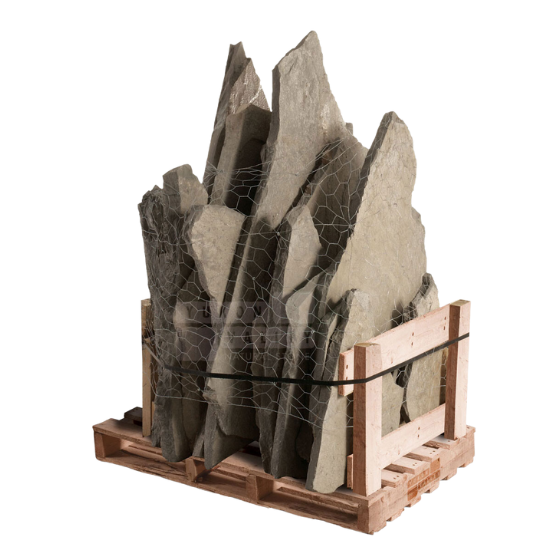
Irregular Stand-Up Bluestone | Natural Cleft, Full Color
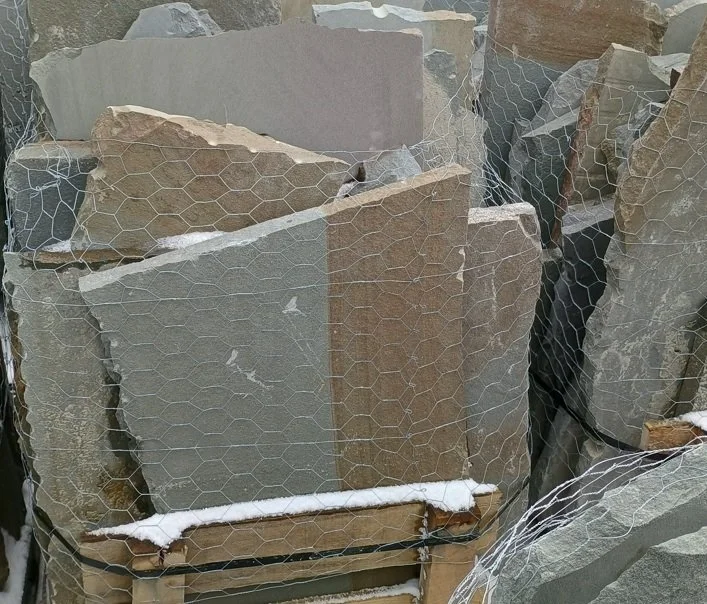
Irregular Stand-Up Bluestone | Thermal, Full Color
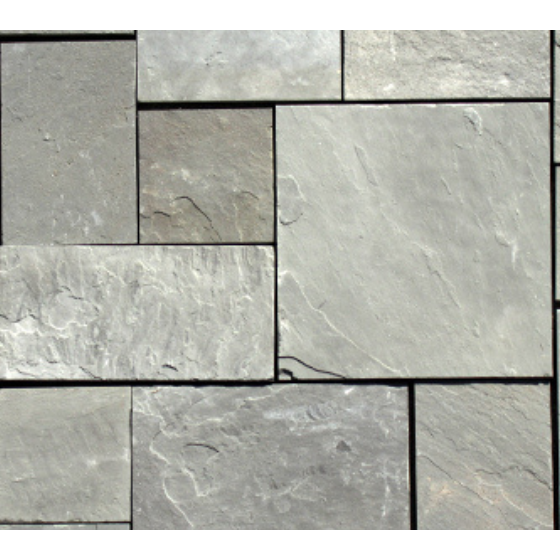
Dimensional Bluestone | Natural Cleft, True Blue
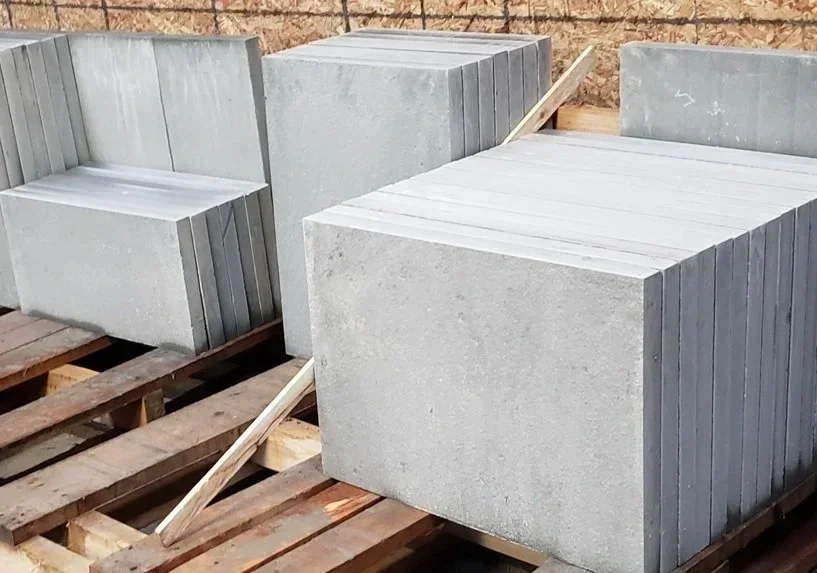
Dimensional Bluestone | Thermal, True Blue